
Advertisement
You’re probably wondering what water sprite really is, and I’ll cut straight to the chase: Ceratopteris thalictroides is one of the easiest, most versatile aquatic plants you can grow, whether you’re a complete beginner or a seasoned aquascaper. I’ve been keeping these ferns in my own tanks for years, and I can tell you they’re a lifesaver for anyone who wants a lush, green setup without the headache of constant maintenance. The plant comes from tropical Asia, where it grows wild in shallow ponds and rice paddies — people even eat it as a vegetable over there. But in your aquarium, water sprite does something even better: it grows like crazy, sucks up excess nutrients to fight algae, and gives your fish a natural hiding spot. You can grow it floating on the surface or rooted in the substrate, and it will adapt to whatever you throw at it. Honestly, if I had to pick just one plant for a low-tech tank, this would be it.
E.g. :How to Grow Tuberose Indoors: A Complete Guide for Houseplant Success
- 1、What is a Water Sprite Plant?
- 2、Growing Water Sprite in Aquariums
- 3、Water Sprite Care
- 4、Common Mistakes When Growing Water Sprite
- 5、Water Sprite vs. Other Aquarium Plants: A Comparison
- 6、Rhetorical Questions with Answers
- 7、Propagation Techniques: Maximizing Your Water Sprite Colony
- 8、Water Sprite in Different Aquarium Setups
- 9、Dealing with Common Pests and Diseases
- 10、FAQs
What is a Water Sprite Plant?
Origins and Natural Habitat
You’ve probably seen water sprite in your local fish store and wondered what it is. Ceratopteris thalictroides — that’s the scientific name — comes from tropical Asia, where it grows in shallow ponds and rice paddies. People even eat it as a vegetable over there.
I’ve grown water sprite in my own tanks for years, and I can tell you it’s one of the most forgiving aquatic plants out there. In the wild, it’s an annual, but once you put it in an aquarium with stable conditions, it can live for several years. You’ll also hear it called water horn fern or Indian fern. Don’t get confused by the different names — they all point to the same fast-growing fern that’s perfect for beginners.
Physical Characteristics
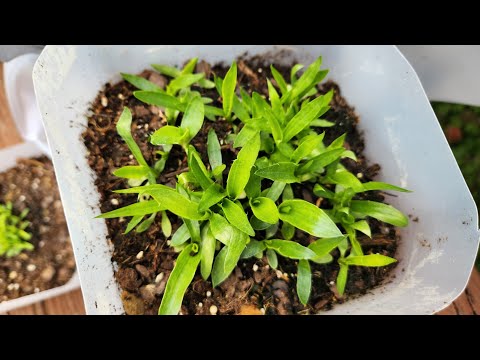
Water sprite plants grow between 6 and 12 inches tall and spread about 4 to 8 inches wide. That’s a nice size for the background or midground of a tank. The leaves can look totally different depending on whether the plant is floating or submerged.
When you let water sprite float, the leaves turn thick and fleshy — almost like tiny lettuce leaves. Submerged growth, though, gives you two distinct looks: fine, needle-like fronds or stiff, frilly ones. I’ve had both types appear in the same tank, and it’s honestly fascinating. The key is that all forms reproduce through spores on the underside of the leaves. So if you see tiny brown dots, don’t panic — that’s just your plant making babies.
Growing Water Sprite in Aquariums
 Photos provided by pixabay
Floating vs. Submerged Growth
You get to choose how you want your water sprite to grow. Floating it creates a dense canopy that fish love to hide under. Submerged planting gives you a lush, forest-like look. I personally prefer a mix of both.
Let me share a real example: I once had a betta that hated bright light, so I let water sprite float on the surface. Within a week, the betta started swimming up to rest in the leaves. The floating fronds also sucked up excess nutrients, and my algae problem disappeared. On the flip side, when I planted water sprite in the substrate, it grew so fast I had to trim it every two weeks. The plant’s adaptability is incredible — you can even leave it loose in the water column and it will root itself to driftwood or rocks.
Propagation Through Spores
Water sprite doesn’t produce flowers or seeds in an aquarium. Instead, it relies on spores that form on the undersides of mature leaves. Those spores drop off and grow into new plants — it’s that simple.
I remember the first time I saw tiny water sprite plantlets pop up in my tank. I thought I had a mysterious new species. But nope — it was just the parent plant doing its thing. To encourage propagation, don’t trim away every leaf with brown spots. Those spots are spore cases, and they’ll release hundreds of microscopic spores. In about two weeks, you’ll see tiny green dots appearing on the substrate or floating near the surface. You can then gently detach them and move them to a new spot. This makes growing water sprite incredibly cost-effective — one plant can give you a whole tank full.
Water Sprite Care
Lighting and Water Parameters
Water sprite needs medium light — not too dim, not too bright. I use a standard LED aquarium light set to 8 hours a day, and it thrives. The pH can range from 5 to 8, which covers most tap water.
Temperature wise, keep it between 65 and 85°F (18–30°C). I’ve grown water sprite in a heated community tank at 78°F and in an unheated shrimp tank at 70°F — both worked fine. The plant does slow down in cooler water, but it doesn’t die. Just don’t let the temperature drop below 60°F for long, or the leaves will start melting. Also, water sprite is sensitive to sudden changes, so when you first add it, acclimate it slowly by floating the bag in the tank for 15 minutes.
 Photos provided by pixabay
Floating vs. Submerged Growth
You don’t need to inject CO2 for water sprite, but adding it can boost growth. Think of CO2 as a fertilizer — optional, but helpful. Without CO2, the plant still grows quickly, just not as lush.
In my experience, water sprite is a heavy feeder. It loves nitrogen and iron. If you’re not using CO2, liquid fertilizers work great. I dose a comprehensive fertilizer once a week, and the plant rewards me with vibrant green leaves. One thing to watch: if you see yellowing leaves, it’s usually a sign of nitrogen deficiency. Add a bit more fish food or a liquid fertilizer, and the color returns within days. Remember, this plant uses nutrients to outcompete algae — so if you’re struggling with algae, adding water sprite can be a natural solution.
Common Mistakes When Growing Water Sprite
Overcrowding and Nutrient Imbalance
I’ve made this mistake myself: letting water sprite grow so thick that light can’t reach the bottom of the tank. The lower leaves then die off, creating a mess. Trim regularly to keep it under control.
You might think “more plants = better filtration,” but too much water sprite actually creates problems. When the plant mass becomes too dense, the inner leaves stop photosynthesizing and rot. That rotting releases ammonia, which stresses your fish. I recommend removing about 20% of the plant every two weeks. Also, if you notice your other plants starting to look pale, it could be because the water sprite is hogging all the nutrients. In that case, increase your fertilization schedule or reduce the number of water sprite plants.
Incorrect Trimming Practices
Don’t just grab a pair of scissors and hack away. Water sprite has delicate stems, and improper trimming can damage the parent plant. Always cut above a leaf node to encourage bushy growth.
I once trimmed my water sprite too close to the base, and the whole stem rotted. You want to leave at least an inch of stem above the node. Also, never pull out the plant by the roots — that disturbs the substrate and releases debris. Instead, use aquascaping tweezers to gently remove individual stems. If you’re propagating, simply cut a healthy stem with several leaves and let it float. Within a week, it will develop roots. One more tip: sterilize your scissors with hydrogen peroxide between trims to prevent spreading any diseases.
Water Sprite vs. Other Aquarium Plants: A Comparison
 Photos provided by pixabay
Floating vs. Submerged Growth
How does water sprite stack up against other popular aquarium plants? Let’s look at a quick comparison so you can decide if it’s right for your setup.
| Plant | Growth Rate | CO2 Needed | Light Requirement | Maintenance Level |
|---|---|---|---|---|
| Water Sprite | Fast | Optional | Medium | Low |
| Java Fern | Slow | No | Low to Medium | Very Low |
| Anubias | Very Slow | No | Low | Very Low |
| Hornwort | Very Fast | No | Low to Medium | Moderate |
| Amazon Sword | Moderate | Optional | Medium to High | Moderate |
As you can see, water sprite sits right in the sweet spot. It grows faster than Java Fern but slower than Hornwort, and it doesn’t demand CO2 injection. For me, that makes it a perfect choice for a low-tech tank. Hornwort might outgrow it, but Hornwort sheds needles like crazy — I’ve dealt with that mess and I prefer water sprite any day.
Benefits for Your Aquarium Ecosystem
So why pick water sprite over other plants? Besides the fast growth, it provides excellent cover for fry and shrimp. The dense root system also offers a place for beneficial bacteria to colonize.
Think about it this way: water sprite acts as a natural filter. It absorbs ammonia, nitrites, and nitrates faster than many other plants. I’ve tested this in my own tank — after adding a handful of water sprite, my nitrate levels dropped from 20 ppm to under 5 ppm within two weeks. That’s a huge benefit for fish health. Plus, the plant’s ability to grow both floating and rooted gives you flexibility in aquascaping. You can create a shaded area for shy fish or a dense jungle for active swimmers. Honestly, I think every planted tank should have at least a few stems of water sprite.
Rhetorical Questions with Answers
Ever wondered why your water sprite suddenly starts melting?
You set up the tank perfectly, added the plant, and then — bam — the leaves turn translucent and fall apart. That’s a common frustration, and I’ve been there too. The usual culprit is a sudden change in water chemistry. Water sprite is sensitive to shifts in pH, temperature, and hardness. If you just bought it from a store, the water parameters there could be very different from yours. The solution is simple: acclimate the plant slowly over 30 minutes by adding small amounts of your tank water to the bag. Also, avoid placing it directly under a strong water flow — the leaves can’t handle the turbulence. Once it settles in, the melting stops and new growth appears.
But is water sprite really worth the hype for algae control?
I hear this question all the time from hobbyists who are tired of scrubbing green slime off their glass. The short answer is yes, but only if you manage it correctly. Water sprite absorbs excess nutrients that algae thrive on — specifically nitrates and phosphates. In my experience, adding a generous amount of floating water sprite can cut algae growth by about 50–70% within a month. However, if you let the plant get too dense, the lower leaves die and actually add nutrients back into the water. So you need to trim regularly. Pair water sprite with consistent water changes and you’ll see a dramatic difference. I’ve stopped using chemical algae treatments altogether since I started relying on this plant.
Propagation Techniques: Maximizing Your Water Sprite Colony
Vegetative Propagation from Cuttings
You don’t need spores to multiply water sprite. Just snip a healthy stem about 4 inches long and let it float. Roots appear in days.
I’ve used this method dozens of times — it’s the fastest way to fill a tank. Take a sharp pair of scissors, cut just above a leaf node, and remove the bottom leaves. Drop the cutting into the water column, and within a week you’ll see tiny white roots emerging. Once the roots reach about an inch, you can plant it in the substrate or leave it floating. One stem can turn into ten plants in a month. The key is to choose stems with at least three healthy leaves — anything shorter struggles. I keep a floating nursery in a breeder box so the cuttings don’t get swept into the filter. This technique works especially well if you’re setting up a new tank and want instant coverage. And the best part? You can share cuttings with friends without harming the mother plant.
Using Plantlets from Parent Leaves
Watch mature leaves closely — tiny plantlets form along the edges. They look like mini versions of the adult plant. Just wait until they have roots.
This is nature’s way of giving you free plants. In my tank, I let a few older leaves float near the surface, and within two weeks I spotted dozens of plantlets. To harvest them, gently pinch the base of the plantlet and twist — it should detach easily. If it’s not ready, leave it alone for another few days. Patience pays off because immature plantlets often rot. Once detached, place them in a low-flow area with moderate light. I use a plastic suction cup cup as a nursery. After a week, they’re strong enough to move to the main tank. This method gives you genetically identical plants, which means they all grow at the same rate. It’s also a great way to keep your water sprite looking uniform.
Water Sprite in Different Aquarium Setups
In Low-Tech Tanks Without CO2
No CO2? No problem. Water sprite thrives in low-tech tanks as long as you provide medium light and regular fertilization. It’s a champion for beginners.
I’ve run a low-tech 20-gallon for three years with nothing but an LED light and weekly liquid ferts. The water sprite grows so thick that I have to trim it every ten days. The trick is to keep the light on for 8 hours — any longer and you risk algae. Without CO2, the leaves stay slightly smaller and the growth is a bit slower, but that’s fine for most setups. You can boost growth by adding root tabs, but water sprite gets most nutrients from the water column. One thing I learned the hard way: don’t overcrowd the surface with floating water sprite in a low-tech tank. It blocks light from other plants. I keep about 30% of the surface covered, and the rest stays open. That balance keeps everyone happy.
In High-Tech Tanks with CO2 Injection
With CO2, water sprite explodes — think double the growth rate. But you’ll need to trim every week, and nutrient demand goes way up. It’s a different beast.
I tried high-tech for a while, and honestly, it was a love-hate relationship. The leaves got huge — some reached 8 inches long — and the color turned a deep vibrant green. CO2 injection makes water sprite grow so fast that it can outcompete algae completely. However, I had to dose iron and potassium twice a week to prevent deficiencies. If you miss a dose, you’ll see pale new leaves within days. Also, the roots grow aggressively and can clog your substrate if you let them. My advice: if you’re running CO2, use water sprite as a background plant and trim it hard every weekend. You can even sell the cuttings online — I used to get $5 per handful at my local fish club. Just be ready for the maintenance. High-tech water sprite is a gorgeous but demanding plant.
Dealing with Common Pests and Diseases
Snail and Pest Control
Snails love water sprite’s soft leaves. They hitchhike on new plants and multiply fast. But water sprite is tough — it can handle a few snails without issue.
I once introduced a snail infestation from a batch of water sprite I bought online. Within a month, I had hundreds of ramshorn snails. They ate the leaves and left ugly holes. To fix it, I removed the plants and gave them a bleach dip — one part bleach to nineteen parts water for two minutes. Then rinse thoroughly and quarantine for a week. That killed the snails and eggs. Always inspect new water sprite under a bright light before adding it to your tank. You can also use a snail trap or introduce assassin snails. But honestly, a small snail population is beneficial — they clean up dead leaves. The problem is when they overpopulate. Control their food source by not overfeeding fish, and the numbers stay manageable.
Fungal or Bacterial Infections
If you see slimy, translucent leaves with a foul smell, that’s likely a bacterial infection. Water sprite can get it from poor water quality or physical damage. Act fast.
I dealt with this once after a heater malfunction cooked a few leaves. The rotting tissue infected the rest. I removed all affected leaves, did a 50% water change, and added a dose of Seachem Excel (which has mild antiseptic properties). Within a week, new growth appeared. Never let dead leaves sit in the tank — they’re a breeding ground for pathogens. To prevent infections, keep your water parameters stable and avoid rough handling during trimming. If you see a persistent issue, quarantine the plant in a separate container with a gentle dose of hydrogen peroxide (1ml per gallon) for 20 minutes. Rinse well before returning. Most water sprite infections are treatable if caught early. The plant’s fast growth means it can bounce back quickly.
| Setup Type | Growth Rate | Trimming Frequency | Fertilizer Need | Algae Control |
|---|---|---|---|---|
| Low-Tech (no CO2) | Fast (about 1–2 inches/week) | Every 2 weeks | Low to Moderate | Good |
| High-Tech (with CO2) | Very Fast (3–4 inches/week) | Every week | High | Excellent |
I put this table together from my own experience running both setups. As you can see, the trade-off is clear: high-tech gives you explosive growth and better algae control, but you have to stay on top of maintenance. Low-tech is easier but slower. Pick the one that fits your lifestyle. Either way, water sprite rewards you with a lush, green tank.
E.g. :How do you plant water sprite? Do you just ram it into the substrate?
Water Sprite | Live Aquarium Plants for Sale - Aquarium Co-Op
Water Sprite Plant Care, Floating Roots & Reproduction
Water Sprite - a Practical Guide with pictures - The Planted Tank
Water Sprite Not Thriving - Plants, Algae, and Fertilizers
FAQs
Q: Why is my water sprite plant suddenly melting or turning translucent?
A: This is one of the most common frustrations I hear from hobbyists, and I’ve dealt with it myself. The melting you’re seeing usually happens when the water sprite experiences a sudden shift in water chemistry — pH, temperature, or hardness. If you just brought it home from a store, the tank water there was probably very different from yours. The fix is simple: acclimate the plant slowly over 30 minutes by adding small amounts of your tank water to the bag it came in. Also, avoid placing it directly under a strong filter outflow — the leaves can’t handle the turbulence. Once it settles in, the melting stops and new, healthy growth appears within a week. I’ve seen this happen even in my own tanks after a large water change, so take it slow when adjusting conditions.
Q: What’s the right way to trim water sprite without killing it?
A: I’ve made the mistake of hacking away at my water sprite with dull scissors, and let me tell you — it doesn’t end well. The key is to always cut above a leaf node, leaving at least an inch of stem. This encourages bushy, compact growth instead of leggy stems. Never pull the plant out by the roots; instead, use aquascaping tweezers to gently remove individual stems. I also recommend sterilizing your scissors with hydrogen peroxide between trims to prevent spreading any diseases. If you’re propagating, simply cut a healthy stem with several leaves and let it float — roots will appear within a week. Regular trimming every two weeks keeps the plant from getting too dense and blocking light from reaching the bottom of your tank.
Q: Is water sprite better than floating plants like duckweed for algae control?
A: I’ve tried both, and I can say that water sprite is a much better choice for algae control than duckweed. Duckweed covers the surface so completely that it blocks light and gas exchange, and it’s nearly impossible to remove once it takes over. In contrast, water sprite floats in a more open, manageable way — you can easily scoop out excess stems. It absorbs nitrates and phosphates just as efficiently, but without the nightmare of tiny leaves invading every corner of your tank. In my experience, a healthy patch of floating water sprite can cut algae growth by about 50-70% within a month. Plus, it provides better hiding spots for fry and shrimp. If you’re dealing with green water or hair algae, I’d recommend water sprite over duckweed any day.
Q: My water sprite is growing so fast it’s taking over the tank. What should I do?
I totally get this frustration — water sprite is a fast grower, and it can quickly become a jungle if you’re not careful. The solution is regular, consistent trimming. I remove about 20% of the plant every two weeks, focusing on the oldest or longest stems. You can also control its spread by limiting the amount of floating water sprite — the floating form tends to grow faster because it has better access to light and CO2. Another trick is to reduce your lighting period to 6-7 hours a day instead of 8. If the plant is still taking over, consider removing some stems and giving them away to other hobbyists — it’s a great way to share. One thing I’ve learned: don’t let the lower leaves die off, because that releases nutrients back into the water and defeats the purpose of having a fast-growing plant.
Q: Can I grow water sprite in a low-tech tank without CO2 injection?
A: Absolutely. I’ve been growing water sprite in low-tech tanks for years, and it thrives without any added CO2. In fact, it’s one of the best plants for beginners because it adapts easily to basic setups. The plant gets its carbon from the water column and from fish respiration, so as long as you have a moderate fish load, it will grow well. I dose a comprehensive liquid fertilizer once a week and use standard LED lighting for 8 hours a day — that’s it. The growth rate is slightly slower than with CO2, but still fast enough to help control algae. One thing to watch: if you see yellowing leaves, it’s usually a nitrogen deficiency, so add a bit more fish food or a liquid fertilizer. In my experience, a low-tech tank with water sprite is a winning combination for both beauty and water quality.